
Our Impact
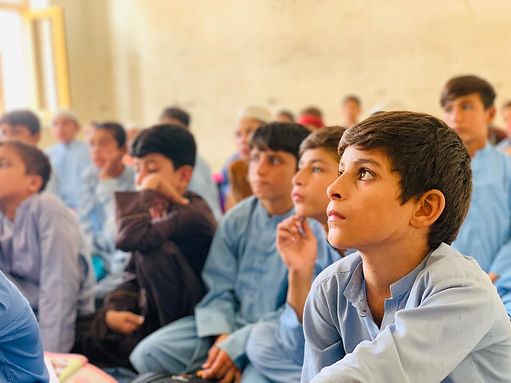
Every number below represents a child who learned, a fellow who led, and a community that chose education despite everything working against it.
0+
students reached
70% girls
0+
alumni empowered
65% women
0+
schools enabled
80% rural
0%
current TAO staff
is alumni
91%
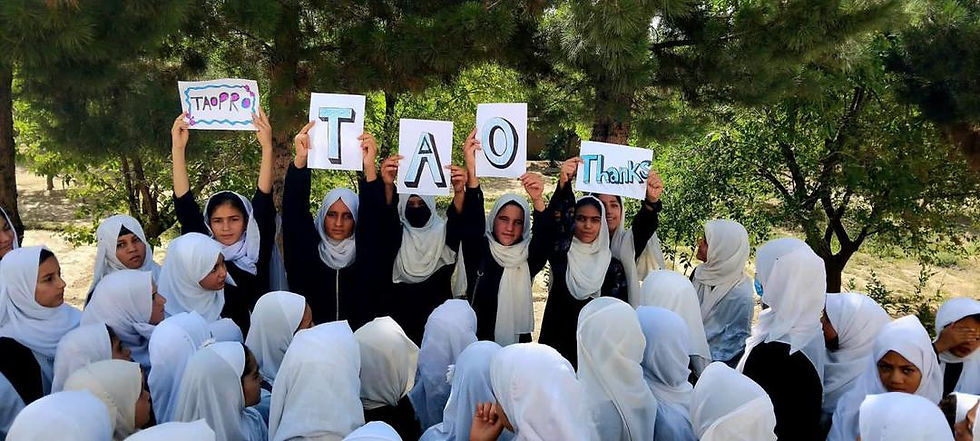
student satisfaction score, against a global Teach For All average of 75%
(63 countries)
Education means the whole child.
Afghanistan's children carry weight that children were never meant to bear. TAO Fellows are trained in Mental Health and Psychosocial Support (MHPSS) because a child who has survived earthquakes, floods, and displacement cannot simply be handed a textbook.
When devastating floods hit Parwan and Nangarhar, TAO was already on the ground, supporting families with humanitarian assistance, delivering learning materials to 12,000 displaced children, and offering individual counselling to those who needed it most. Fellows also trained families on effective disaster preparedness.
For children forcibly returned from Pakistan, Fellows provide remedial learning and Pashto language classes to help them find their footing again.
.jpg)
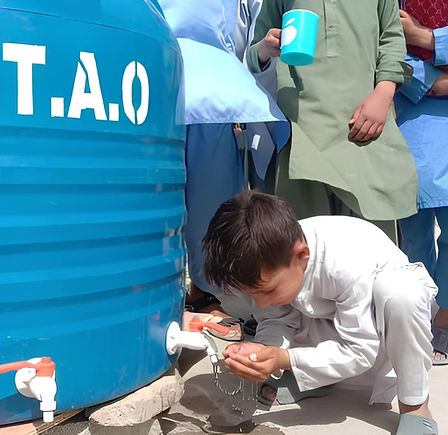
TAO Alleviates Water Scarcity at Nangarhar’s Biz Ikmalati Secondary School
When there was no reliable source of water for students in this school, TAO donated water tanks to ensure steady access to drinking water.
Our movement grows from within.
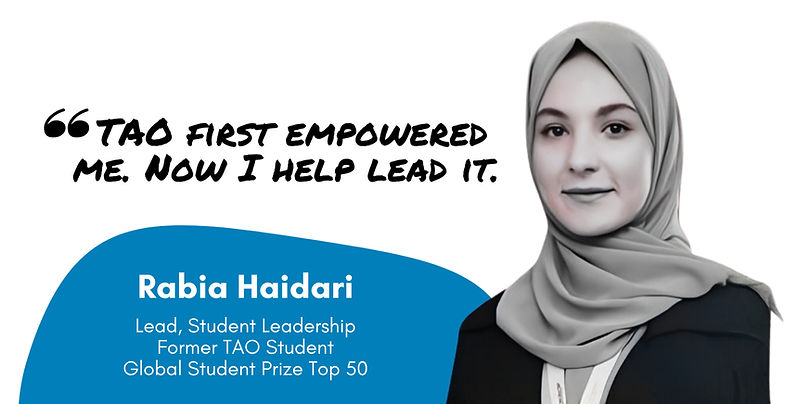
79% TAO Alumni remain in the education sector
_edited.jpg)
Community is at the centre of our work.
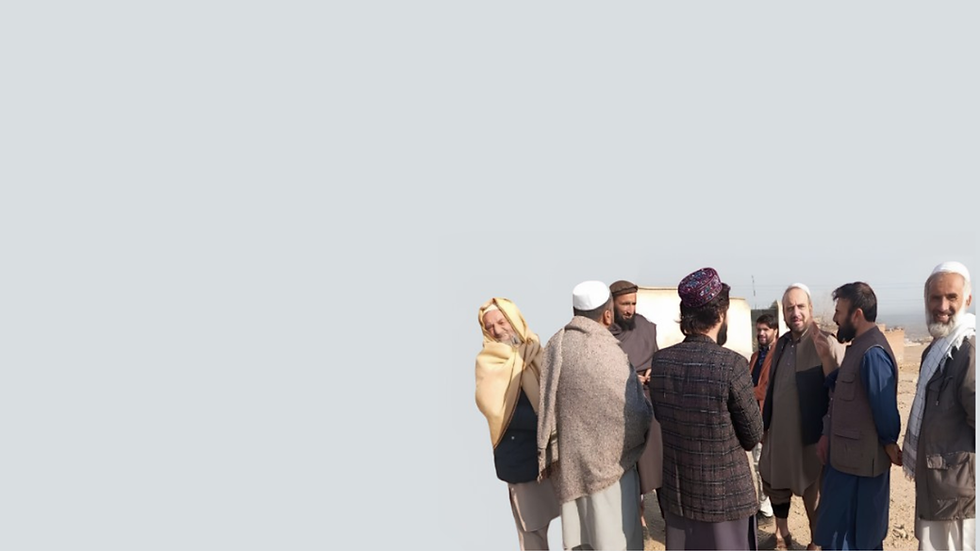
In Afghanistan, education does not happen without community buy-in. TAO fellows participate in community meetings called Shura in local community spaces, known as Hujras, where they build relationships with village elders to make high-quality schooling possible.
TAO fellows also engage parents directly through community workshops, creating spaces where families can ask questions, voice concerns, and see firsthand what quality education looks like for their children.
In Charikar, for instance, a gathering
organised by local Maliks drew youth and community leaders who, after hearing about
TAO's work, pledged to encourage their sons
and daughters to apply for the fellowship.
It is through these sustained, face-to-face relationships that enrolment grows and trust deepens, making education something that
the community owns.
